Kitchen planning guide
Choosing the Right Kitchen Countertop
Kitchen countertops carry most of the daily use in the home. The best choice depends on how you cook, how much maintenance you want, the cabinet layout, and the look you want from the slab.
Start with how the kitchen is used
A busy family kitchen, a rental property, and a showpiece island do not need the same surface. Before choosing a slab, it helps to think through cleaning, heat, stain resistance, seam placement, and whether the countertop needs to stay quiet or become the main feature in the room.
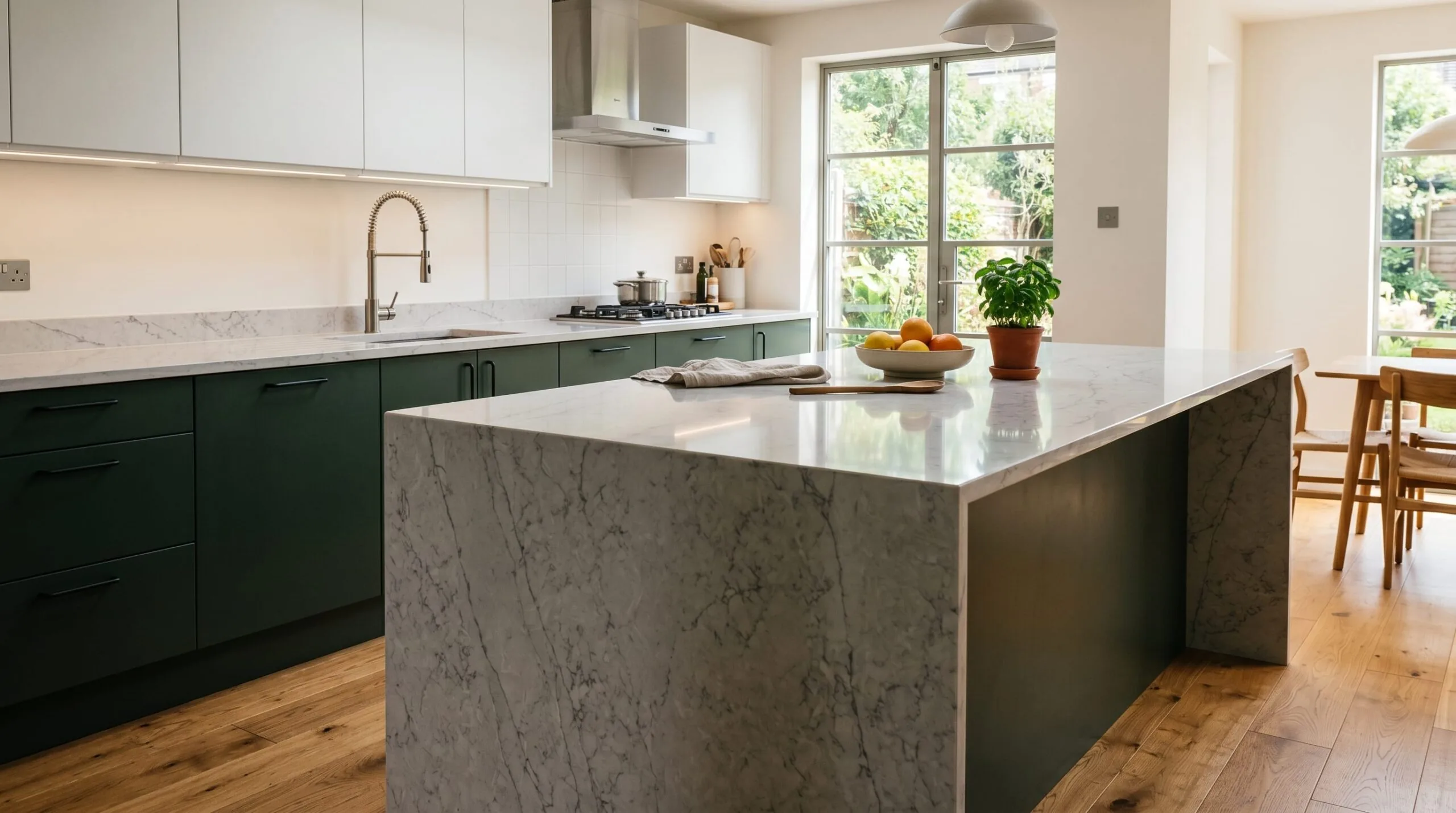
- Large islands need overhang and support planned before fabrication.
- Cooktops, sinks, faucet holes, and appliance openings should be confirmed early.
- Veined slabs need layout planning so the movement looks intentional.
Quartz
Best for low-maintenance kitchens.
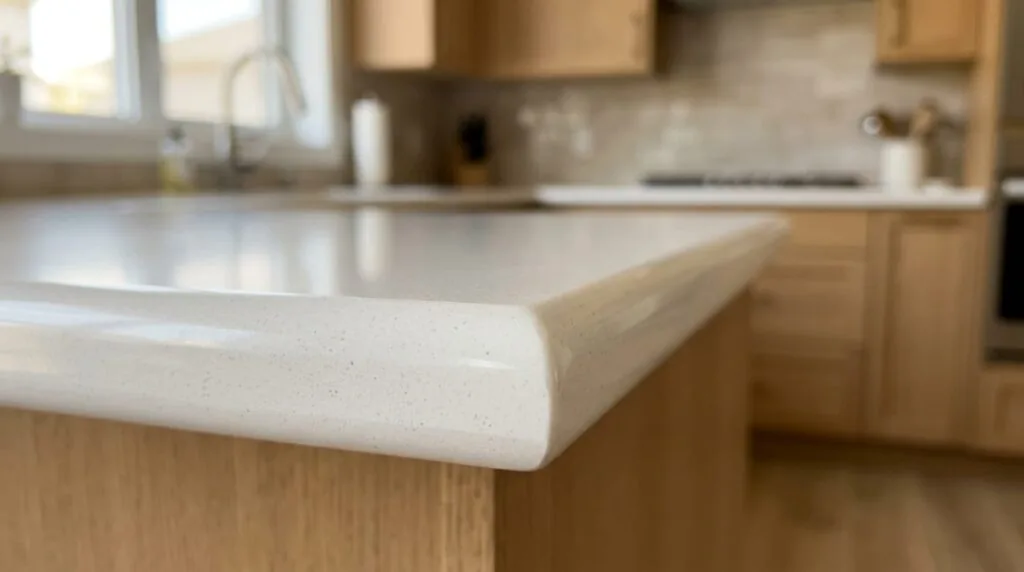
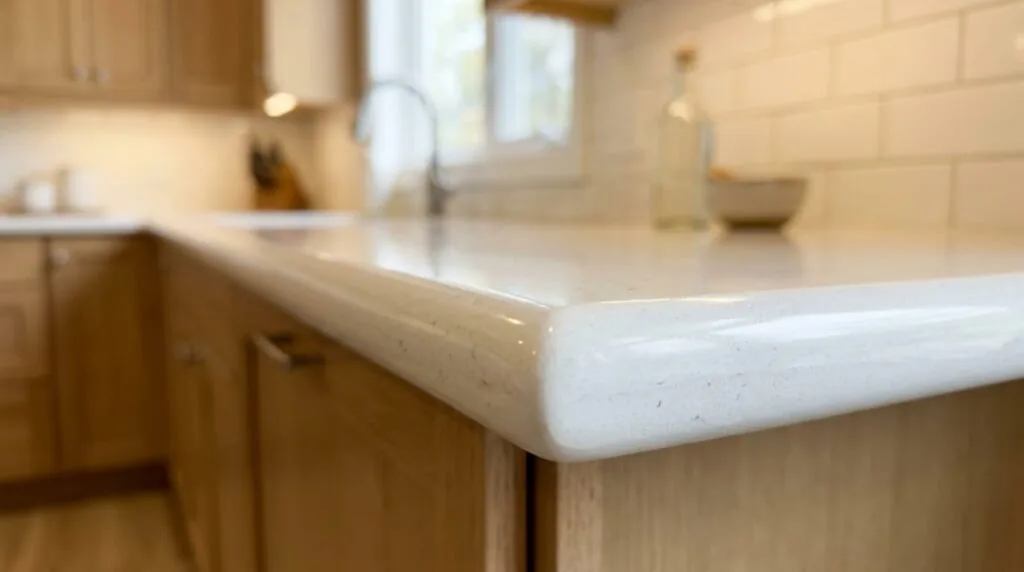
Quartz is consistent, easy to clean, and a practical fit for families who want a polished look without sealing natural stone.
Granite
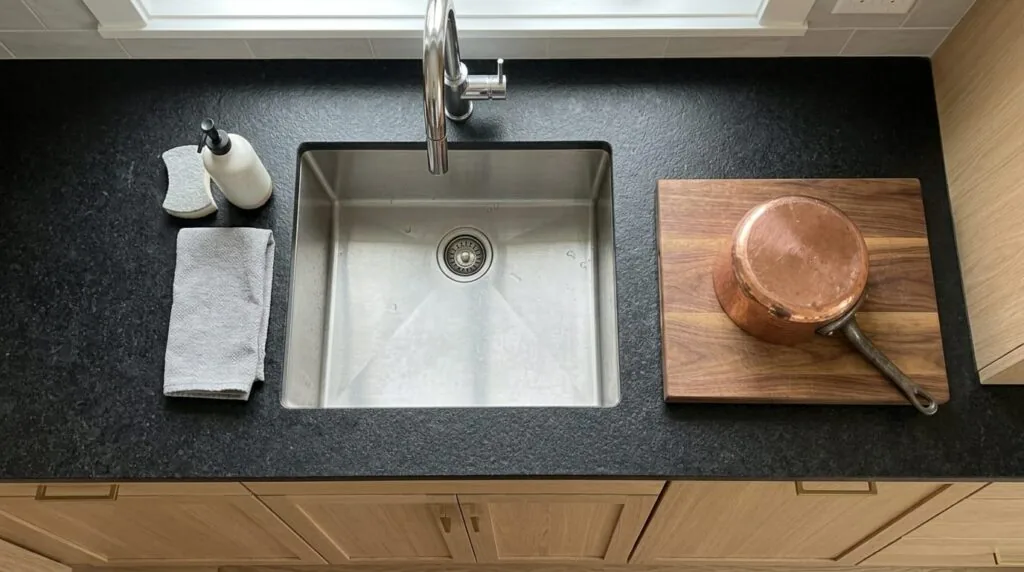
Best for natural variation and durability.
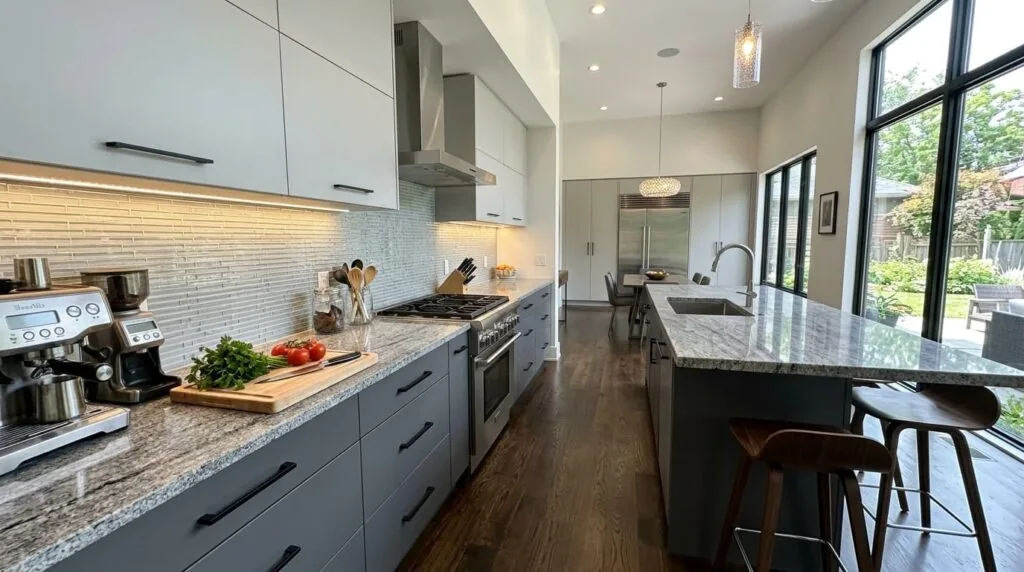
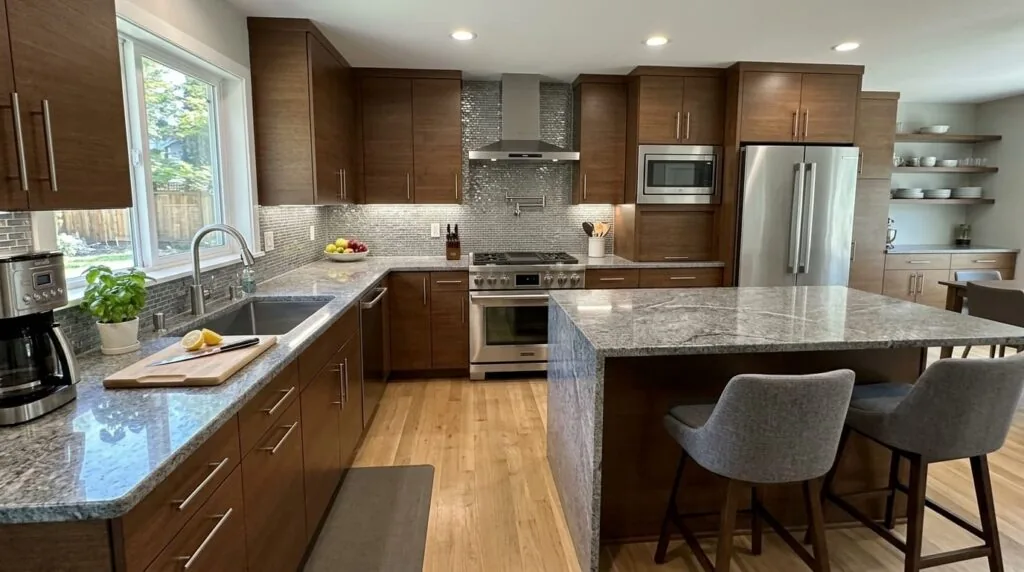
Granite brings unique movement from slab to slab and works well in kitchens where the stone should feel natural and substantial.
Quartzite
Best for a natural, elevated look.
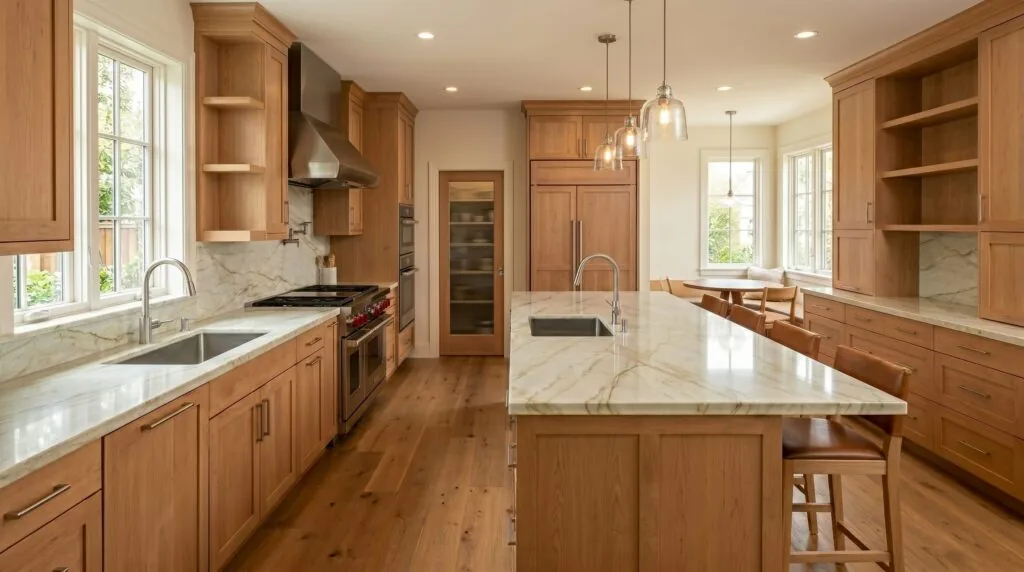
Quartzite is often chosen when the client wants brighter movement and a more custom feel, especially on islands and open kitchens.
Marble
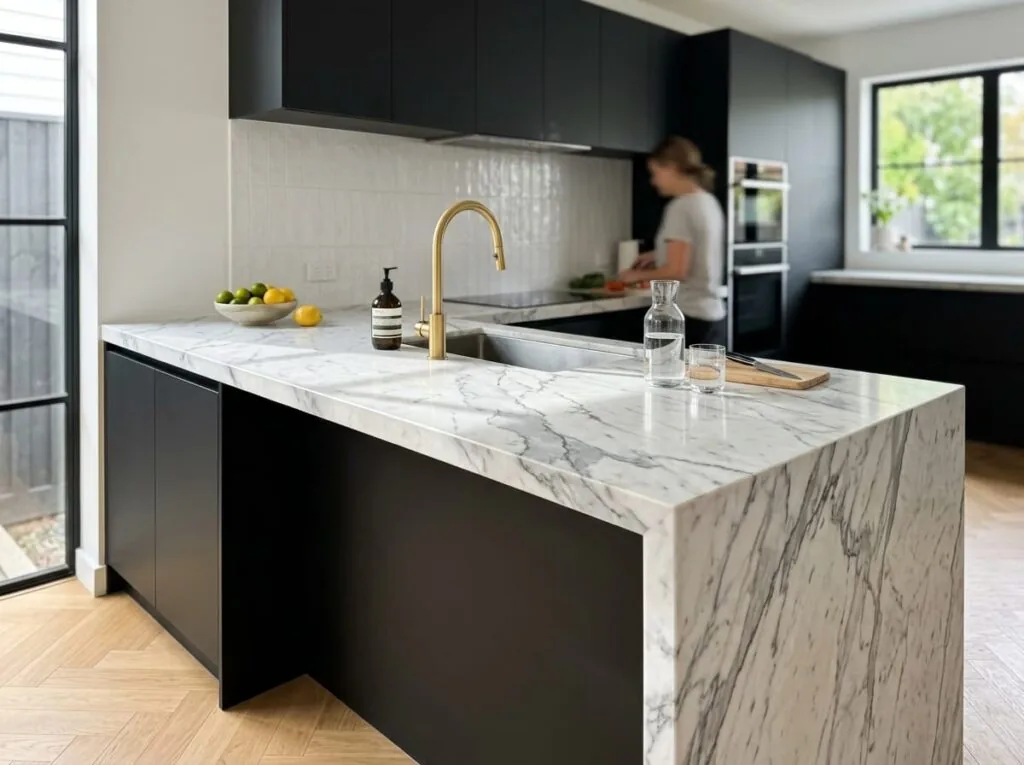
Best for statement areas.
Marble can be beautiful in the right kitchen, but it needs a client who is comfortable with patina, etching, and more careful use.
Large kitchen islands
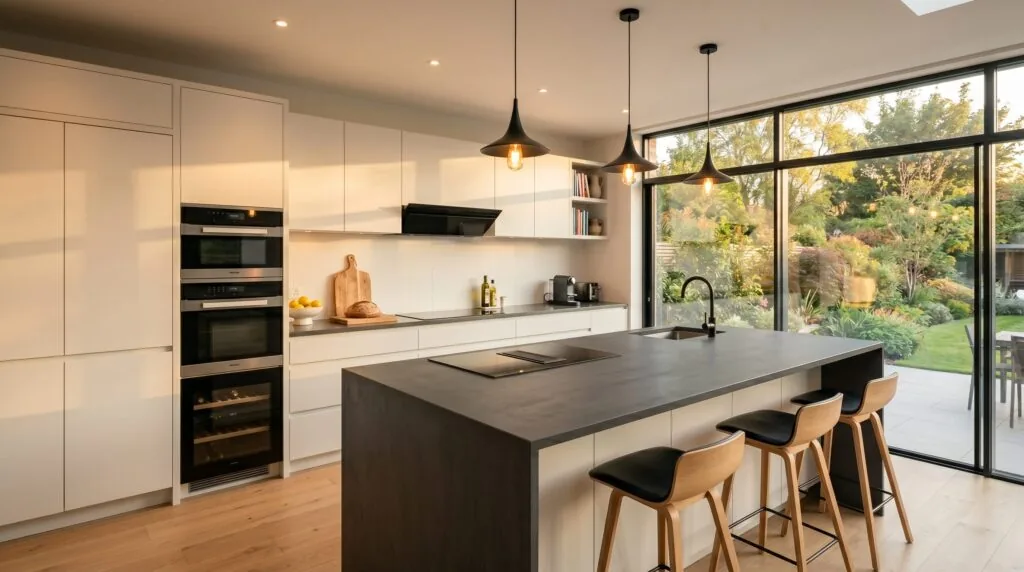
Plan slab movement, seam strategy, seating overhang, and support first.
High-use family kitchens
Quartz or durable granite usually makes sense when easy cleaning matters most.
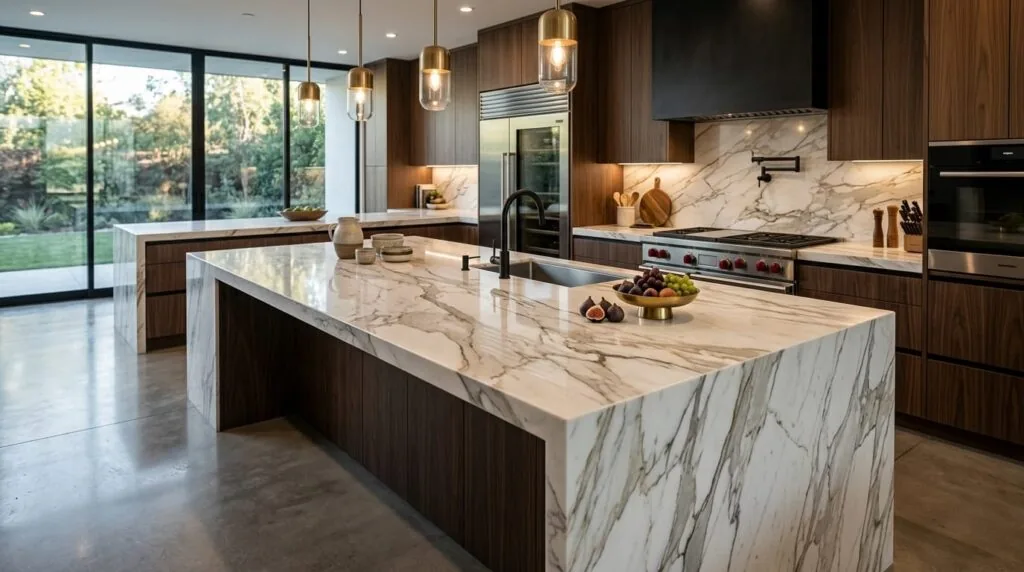
Luxury remodels
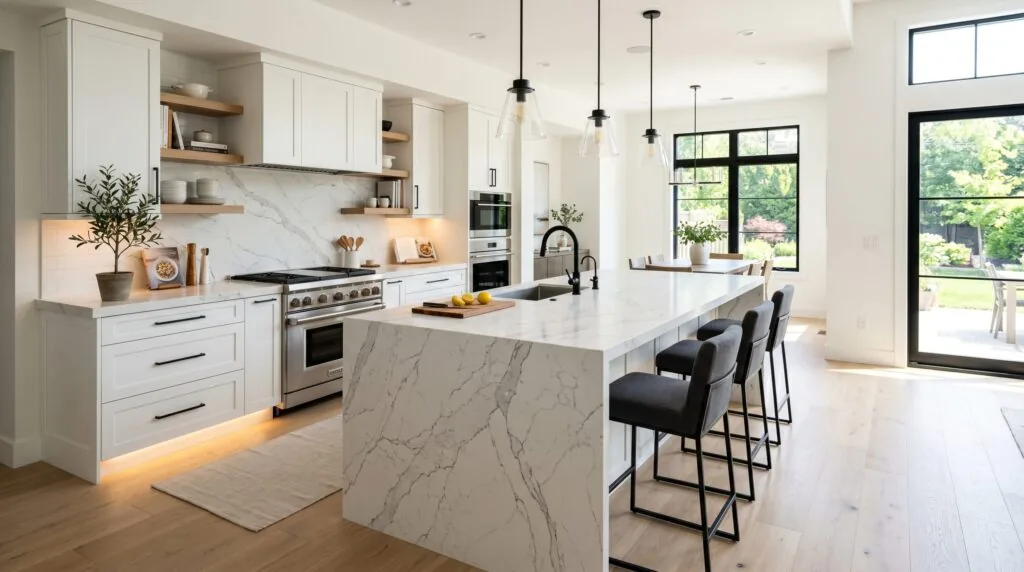
Quartzite, dramatic granite, or carefully selected marble can make the island the centerpiece.
Smaller kitchens
Cleaner patterns, lighter colors, and simple edges can help the room feel open.